
Eight Ontario biotech startups working on everything from disease detection to sustainable materials have been selected for the latest cohort of the BioCreate accelerator run by Ontario Genomics.
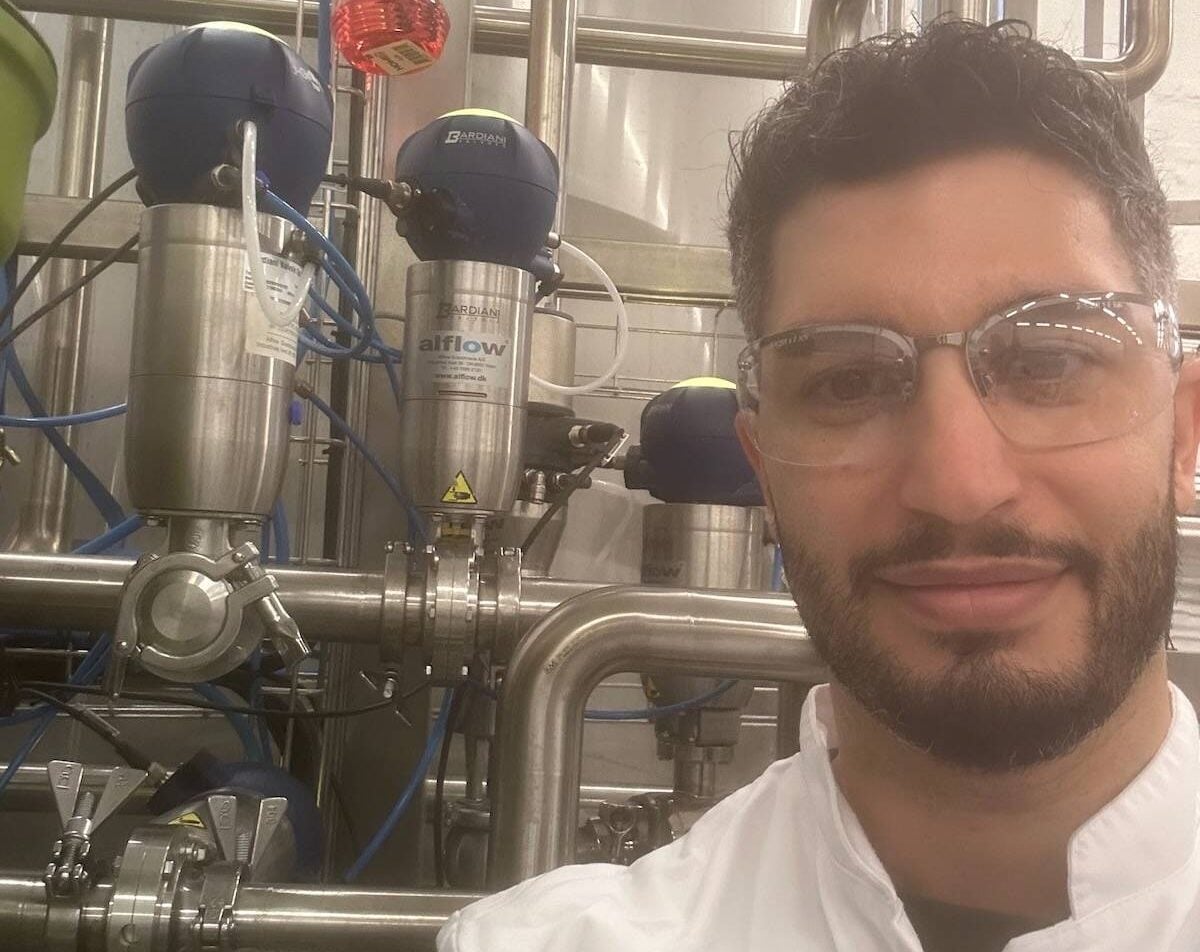
One of the participants is Toronto-based Launch Bioindustries, which is developing fully compostable bioplastics through fermentation by using waste streams from dairy processing, food production and pharmaceutical manufacturing.
WHY IT MATTERS: The process will create a new, higher-value use for agri-food waste streams from excess whey and lactose to other organic byproducts, while also reducing the volume of pollution from conventional plastics.
Read Also
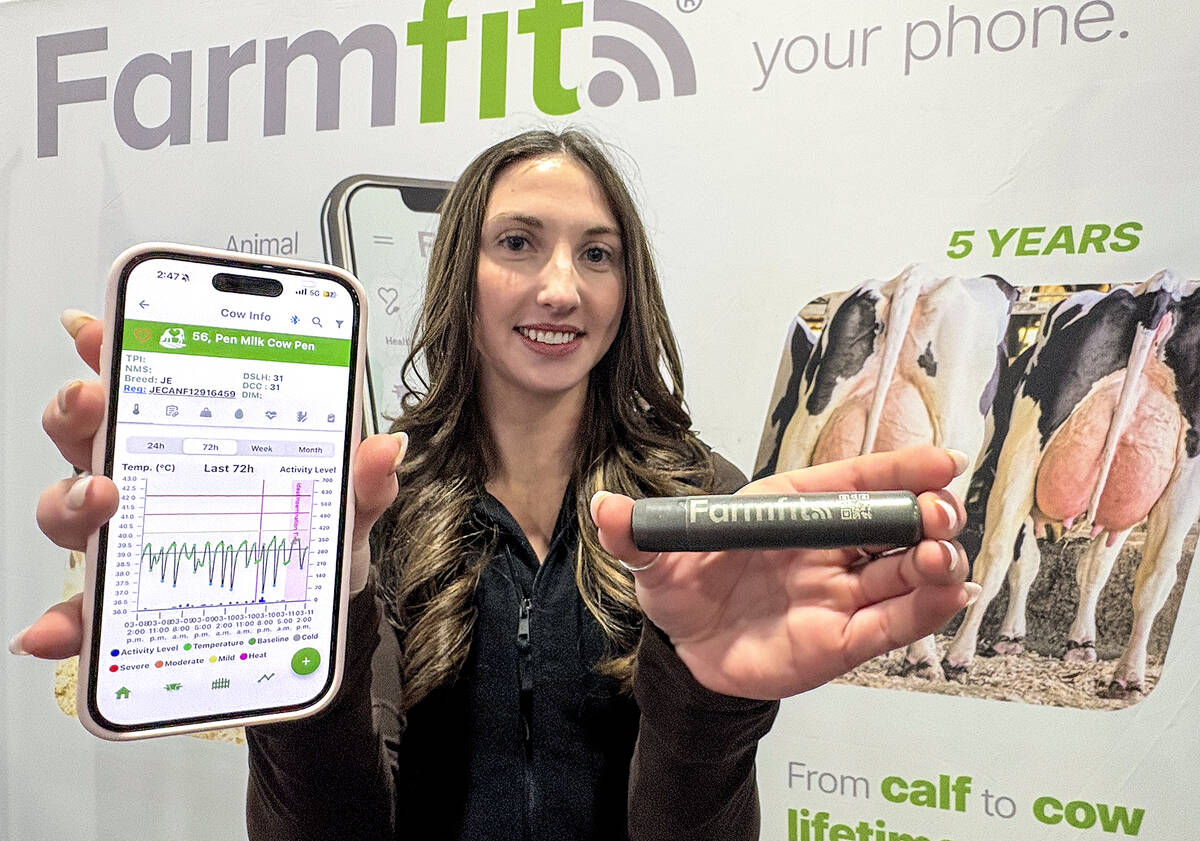
FarmFit brings dairy cow health monitoring to your fingertips
Gaining new users on Canadian farms, Texas-based STgenetic’s FarmFit smart tech provides real-time, subscription-free, dairy herd monitoring for animals 10 days old and above.
It’s part of an increasingly broader shift in the thinking around waste: turning costly liabilities into ingredients for new products and revenue streams.
“Right now, we have two problems happening at the same time: we have a massive plastic pollution issue and we also have a lot of organic waste coming out of industries like dairy processing,” said Andrew Chiappetta, founder of Launch Bioindustries. “What we’re doing is connecting those two — taking waste and turning it into something valuable.”
READ MORE: Separated dairy processing waste can be used in cow diets
The company’s technology uses engineered bacteria to convert organic waste into a class of materials known as PHA bioplastics. These materials behave much like conventional plastics during manufacturing but break down naturally in compost, soil or marine environments.
“They’re essentially a drop-in replacement for petroleum-based plastics,” Chiappetta says. “The difference is, when they end up in the environment, bacteria recognize them as a food source and break them down.”
That ability to degrade naturally — in some cases in as little as six weeks for thin films — is a key advantage over conventional plastics, which can stay in the environment for decades.
For agriculture, the potential impacts could be significant. Plastic mulch films, bale wrap and other single-use plastics are widely used but can be difficult to recycle, and Chiappetta sees them as a natural fit for compostable alternatives.
“Mulch films are a really exciting opportunity,” he said. “With our materials, the goal is that they could break down in the field and actually feed soil bacteria.”
That could reduce labour costs, improve soil health and keep these materials out of landfills.
To be successful, any alternative plastics will have to not only perform as well or better than conventional products, they’ll have to also do it for the same or less cost. That’s one of the reasons Launch is working with dairy and food processors to source feedstocks like acid whey and lactose.
“In Ontario alone, there’s a significant amount of organic waste coming out of food and dairy processing,” Chiappetta says. “If we can take that and turn it into a useful product, it changes the economics of both waste management and materials production.”
Commercial facility in longer-term plans
Launch Bioindustries was founded in 2024, building on Chiappetta’s experience working with plastics in the medical sector, including single-use materials used in vaccines and drug delivery, which highlighted both the scale of plastic waste and the opportunity for alternatives.
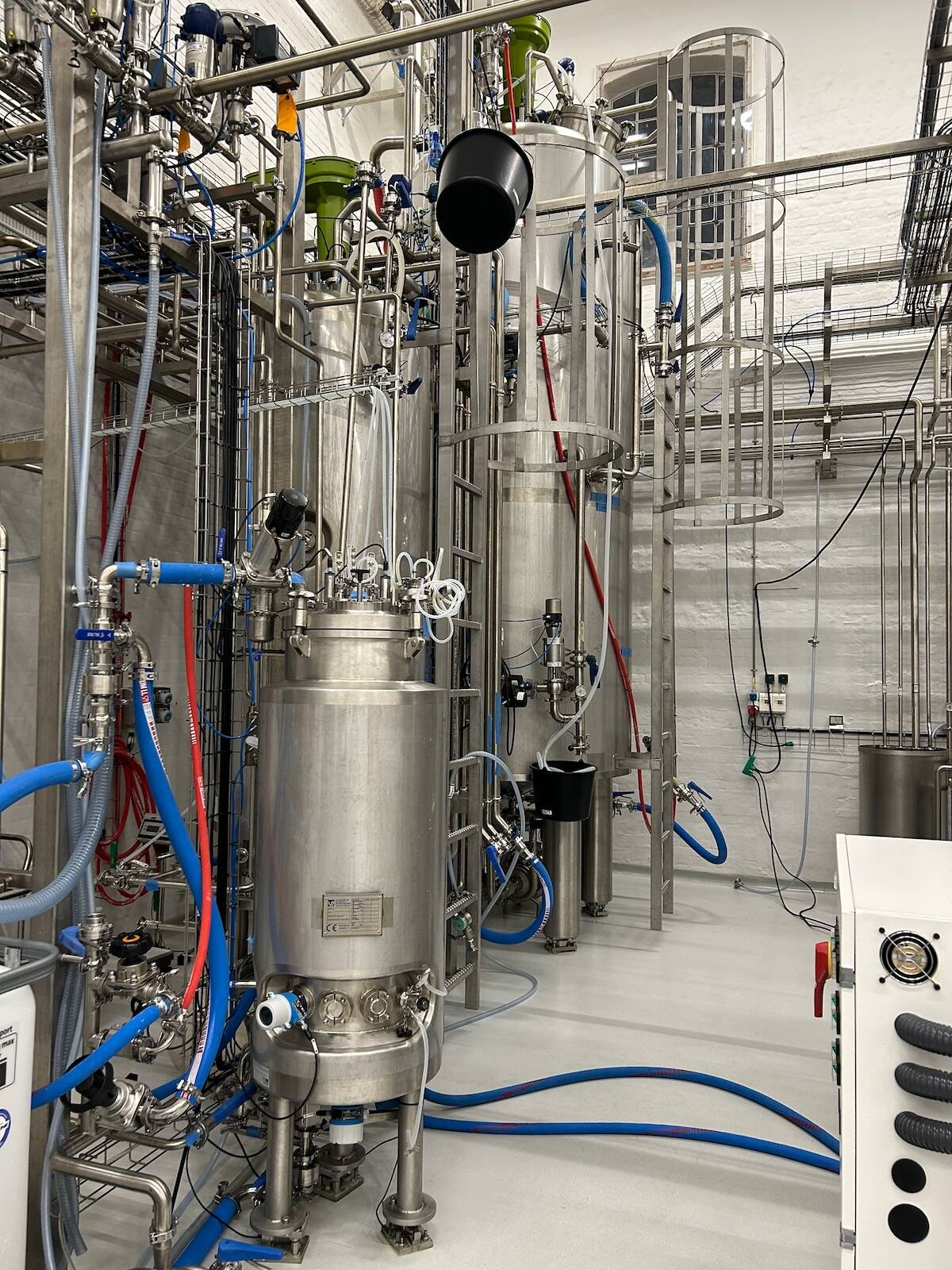
Since then, the company has moved from concept to early-stage prototyping, successfully producing bioplastics at bench scale and beginning to scale up production. The next step is moving into larger fermentation systems, with a goal of reaching pilot-scale production in the near term.
Through the BioCreate program, the company plans to further develop its bacterial strains and expand its ability to process different types of organic waste. The longer-term vision is to build a commercial facility in Ontario within the next two to three years and begin supplying materials for a range of applications, from food packaging to medical products.
Chiappetta said the company is initially focusing on higher-value, hard-to-recycle products such as pharmaceutical packaging, like compostable pill bottles, but sees agriculture as a key growth area.
He’s looking for partners who either have waste they need to manage or who are looking for more sustainable material options – or both.
“Agriculture checks both of those boxes,” he says.
Through BioCreate, led by Ontario Genomics with funding from the Federal Economic Development Agency for Southern Ontario, each participating start-up company receives $150,000 and 18 months of mentorship, access to specialized infrastructure and connections to investors.