

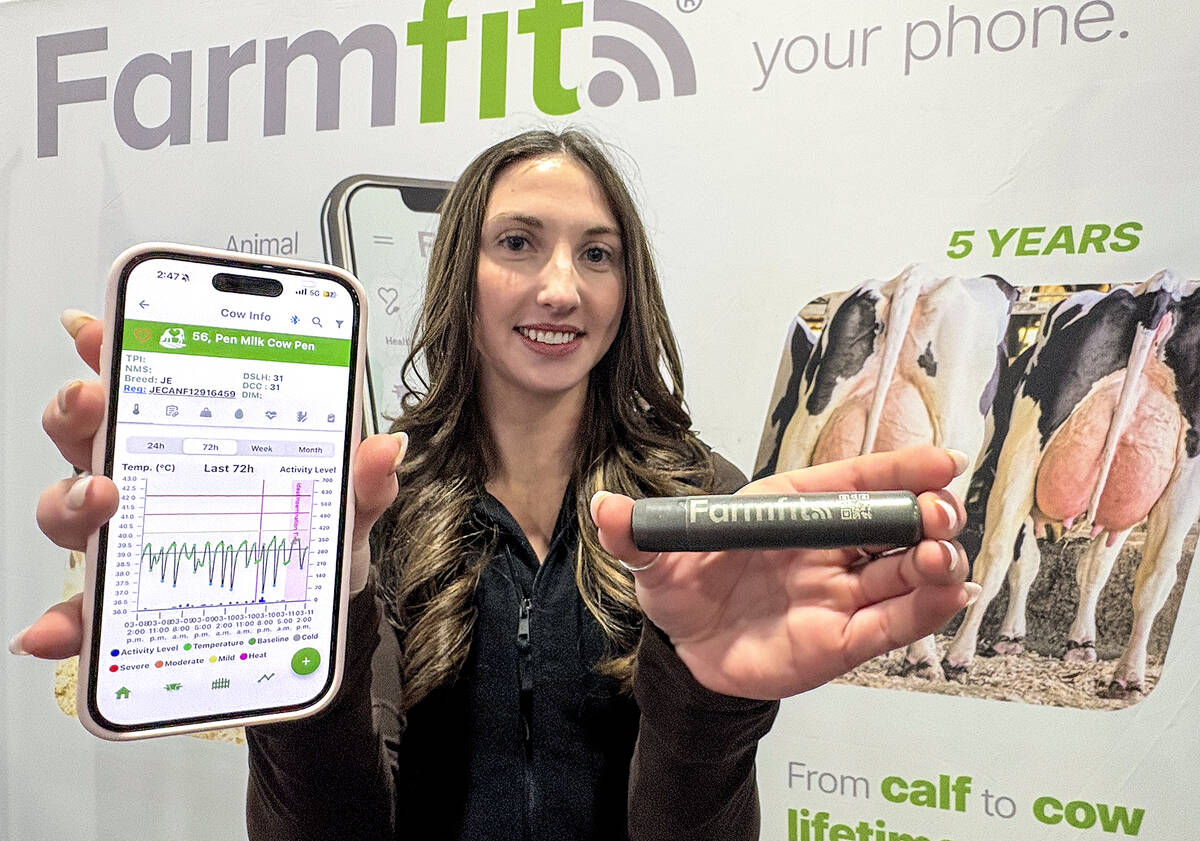
FarmFit, a STgenetics smart technology livestock health-monitoring system, is gaining traction in Canadian dairies.
Launched in Canada two years ago, the Texas company’s smart bolus system tracks welfare, productivity and traceability data and has been adopted by 55 Canadian dairies, with Ontario leading the way.
WHY IT MATTERS: The app tracks inventory, manages health and treatment protocols, monitors calf weight and growth, auto-calculates dosages, and sets withholding parameters.
“This is a huge thing for us,” said Kathy Merminod, STgenetics Canadian call centre manager, during the Ottawa Valley Farm Show from March 10-12. “With ST, when we introduce something, we don’t stop there. We are constantly working to improve.”
Read Also
Ontario startup turning dairy waste into compostable plastics
Launch Bioindustries, a Toronto biotech startup, is working to process wastes from the dairy sector and other streams into biodegradeable plastics.
Merminod said the app regularly updates with new features based on customer feedback and experiences to ensure subscribers receive the highest level of welfare, productivity and traceability protocols possible.
The US$90, easily administered smart bolus can be used by animals as young as 10 days to two-weeks-old, depending on size, and comes with a three-year warranty and a five-year lifespan. Merminod said it has remained effective in early-testing cows for longer, but ST is erring on the side of caution.
Once the bolus, which carries a magnet, microchip and battery, is activated by the animal’s temperature, it doesn’t require any further hardware to collect data.
Once activated, the bolus gathers and stores up to four hours of data, transmitting it every 15 minutes when the animal is within 200 feet of a collector. Multiple collectors work in tandem and must be connected to the internet to receive information from the boluses and send it to a gateway device, which in turn updates the cloud, the subscription-free app, and the website.
READ MORE: Bolus-based sensor companies aim to make dairy cow monitoring smarter
Collectors and gateways cost approximately US$500 each.
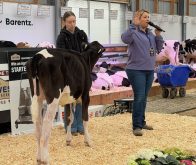
Brooklyn Lloyd’s family’s dairy, Sprucetone Farms, milks approximately 60 cows and requires two collectors and one gateway, but the configuration depends on an operation’s herd numbers and barn configurations, or those travelling with a show string who want uninterrupted monitoring.
“One of the advantages for those people who do sell (dairy cattle), you can pull up the entire history of that animal,” added Merminod. “All of the treatments, medications, everything that has gone on through the life of that animal. It’s a nice marketing feature for those people who manage and sell really good animals.”
Lloyd, an early FarmFit adopter, used STgenetics’ UltraPlus gender-sorted semen, but without a heat-detection system, critical breeding windows were missed, especially for heifers.
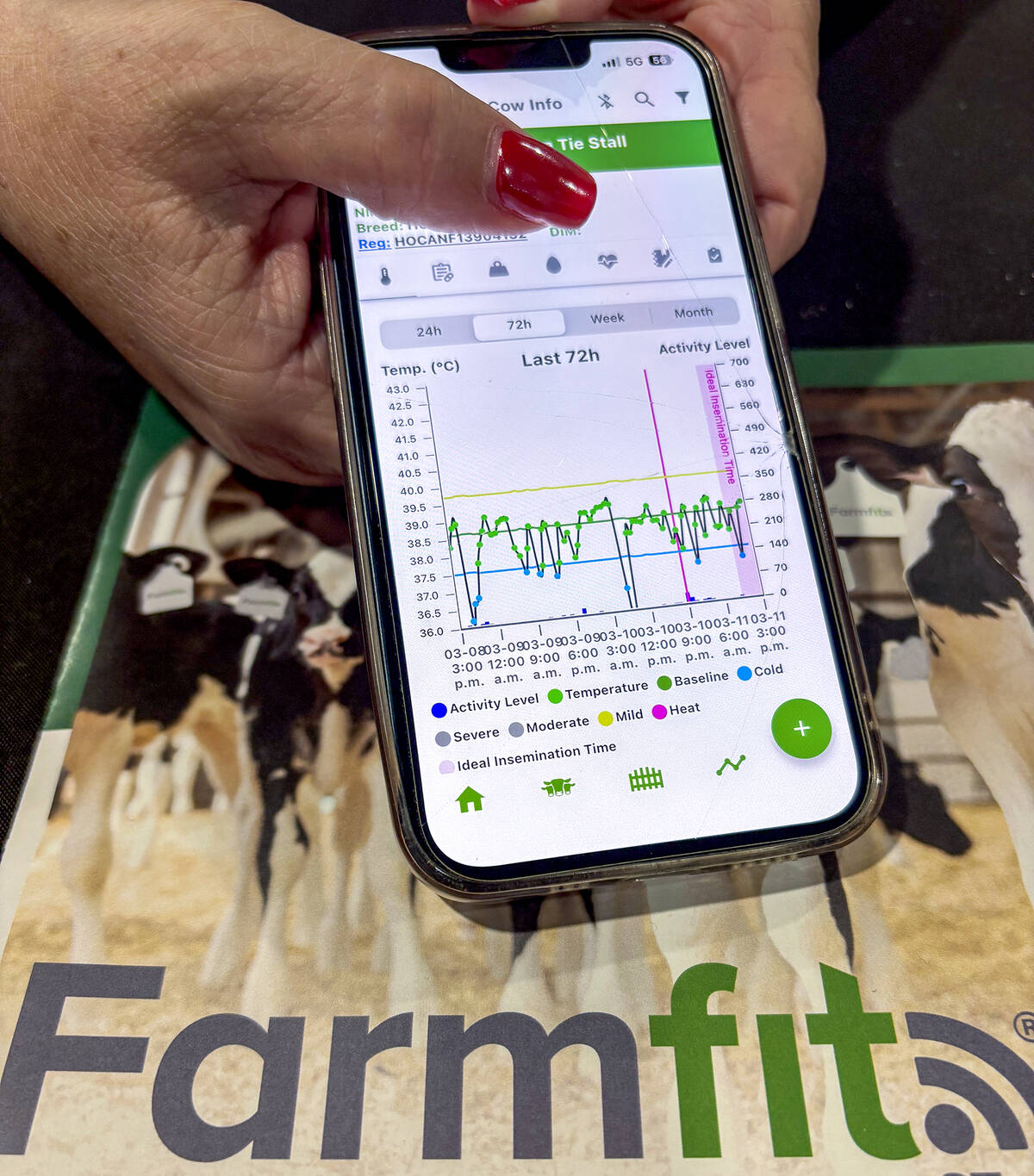
“When we started putting boluses in the heifers, we noticed our breeding rates going up because we’re catching those heifers in heat faster,” she said. “It’s a whole management system. Not just tracking heat alerts, health and rumination, but you can track and put in all your calving dates, breeding dates and your entire semen inventory.”
System provides in-calf alerts
Two years later, approximately 70 per cent of the herd has a bolus, excluding calves; however, all the animals’ health and welfare protocols are tracked on the free app’s system.
“What sets this system apart from others is that you can put it in a calf, and it stays in their entire lifespan,” explained Lloyd, who is now a FarmFit technical specialist.
READ MORE: Bringing dairy data together in new ways
Having treatment protocols, calving weights and gains, withdrawal timelines or alerts, allows employees and veterinarians to access and update real-time information within a few clicks.
“That’s especially important for things like proAction,” the national dairy quality assurance program, Lloyd said. “They (veterinarians) want to see everything you’ve used that year, medicine-wise and treatments.”
Operators can provide employees and veterinarians with individual logins for real-time updates on treatment and management protocols for each animal. It also helps identify who, what care was provided to which animal.
“It gives you the opportunity to monitor the herd from afar, even when you’re relying on outside help,” Merminod explained. “For example, if you have somebody who’s dedicated to calves. You can have all the calf alerts go to them.”
She added that the alert remains active until the responder logs the action taken.
When used to track calf weight gains, the app calculates medicinal dosages to prevent overdosing or underdosing and mitigates antimicrobial resistance. Merminod said that temperature alerts allow early detection and treatment before symptoms appear — especially for respiratory illness, which can affect a cow’s lifetime performance and production.
“If we can catch those early and eliminate them, it’s a win-win,” she said.