


Ontario Hay Listings is a free classifieds service provided by the Ontario Forage Council. Producers looking to buy or sell hay or straw are encouraged to post an ad.
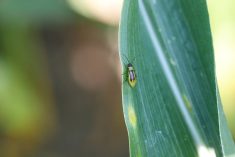
In 2020 there were several reports of corn rootworm injury to hybrids with below-ground protection from Bt traits. This suggests that Bt-resistant corn rootworm populations exist in Ontario. Continuous corn is at highest risk of a problem. Growers are encouraged to rotate out of corn for 2022. More information about this serious silage corn pest and how to join the corn rootworm trap network are available on Field Crop News.
Southwest
Read Also

Bruce Grey farmers, politicians meet in rural-urban collaboration
Bruce Grey farmers and officials discuss stronger farmland protection, policy reform, and rural-urban collaboration during the annual politicians’ meeting.
- According to AAFC, the region had above-average rainfall for September.
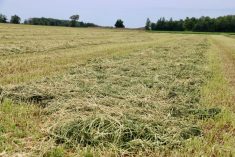
- Regrowth on hay fields is heavier than normal due to warm, wet conditions. While straight alfalfa won’t smother, grasses and clovers might. In mixed alfalfa/grass stands, wait until after a killing frost (-4 C for at least 4 hours) to harvest surplus growth. Leave 15 cm (6 in.) of stubble to trap snow for insulation. More details on fall harvest and winterkill risks are available here and here.
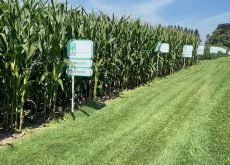
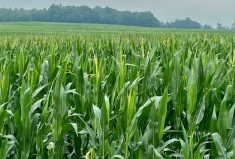
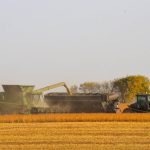
- Silage corn harvest is well underway, and yield reports so far are above average.
Central and East
- According to AAFC, most of the region had above-average rainfall for September, except for the southern part of counties bordering the St. Lawrence River.
- Regrowth on hay fields is heavier than normal due to warm, wet conditions. While straight alfalfa won’t smother, grasses and clovers might. In mixed alfalfa/grass stands, wait until after a killing frost (-4C for at least 4 hours) to harvest surplus growth. Leave 15 cm (6 in.) of stubble to trap snow for insulation. More details on fall harvest are available here and here.
- There was a light frost in parts of the region the week of September 27th. The riskiest time for prussic acid poisoning from sorghum species is between the first frost and the first killing frost. Producers should wait to graze or harvest sorghum crops affected by frost until after a killing frost to minimize risk.
Northeast
- According to AAFC, Algoma and Manitoulin had below-average rainfall for September. Sudbury had average rainfall for the month. The rest of the region received above-average amounts of precipitation.
Northwest
- According to AAFC, Rainy River and Thunder Bay districts had average rainfall for September. Kenora District received below-average precipitation for the month.
- Fall has been open and warmer than usual. The Ontario Crops Research Centre – Emo has not yet received a hard frost, though they stop counting CHUs on September 15.
To read the full September 2021 Forage report on the Field Crop News website, click here.