



On April 11, the Ontario Venture, loaded with wheat and soybeans, left Parrish and Heimbecker’s Picton Terminal bound for Quebec City.
It marked the inaugural grain shipment from the Canadian family-owned agribusiness’s new terminal and the first agricultural products to leave Picton Bay by water in nearly 75 years.
“This milestone marks a major step forward for the Picton Terminal and underscores its growing role within P&H’s marine and export network,” said the company in a Facebook post.
Read Also
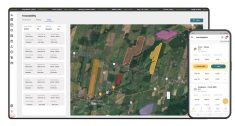
Croptimistic’s SWAT Cam maps one million acres
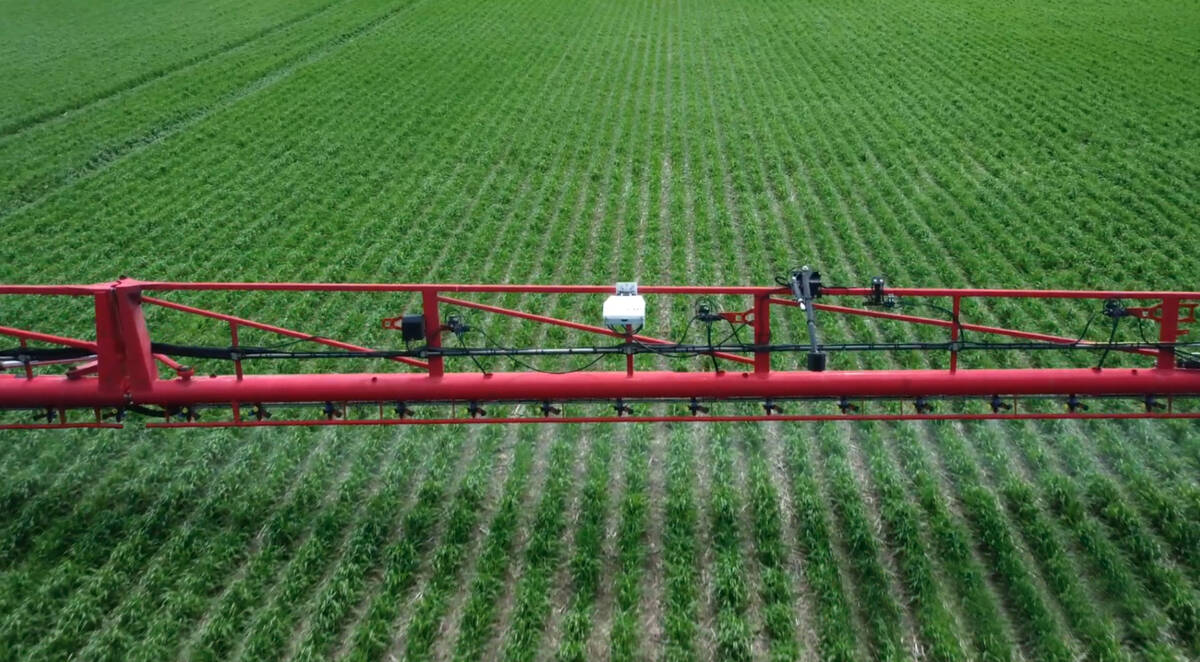
Croptimistic’s sprayer-mounted SWAT Cam system has now generated crop and weed maps across more than one million acres.
Why it matters: Access to the Picton Terminal will alleviate Highway 401 truck traffic and travel time for local farmers while enhancing the agricultural supply chain’s overall efficiency.
According to the company’s Facebook page, the first grain truck delivery arrived at the Picton Terminal on February 3.
“We’ve been proud to serve farmers in Eastern #OntAg with a closer and more efficient location to drop off corn, wheat, and soybean crops,” P&H posted on social media March 12.
P&H has actively expanded its grain handling and milling operations in Eastern Canada since 2020, including increasing capacity at the Hamilton terminal with an additional mill and two storage silos in 2025, and acquiring the Quebec City terminal in the same year.
With the addition of the Picton Terminal, the Canadian agribusiness giant has three deep-water bulk marine export terminals to support customers in 24 countries.
Jeff Harrison, Grain Farmers of Ontario chair, said P&H’s terminal expansion in Picton helps farmers get their grain to market with a lighter environmental footprint and increases road safety by keeping trucks off the road, he explained. Not to mention circumventing the transportation snarling nightmare that is Toronto.
“Picton terminals and P&H have worked together and made a significant investment in Eastern Ontario and eastern Canada to help farmers service export markets,” Harrison told Farmtario. “This is something that farmers and the industry can be really proud of.”
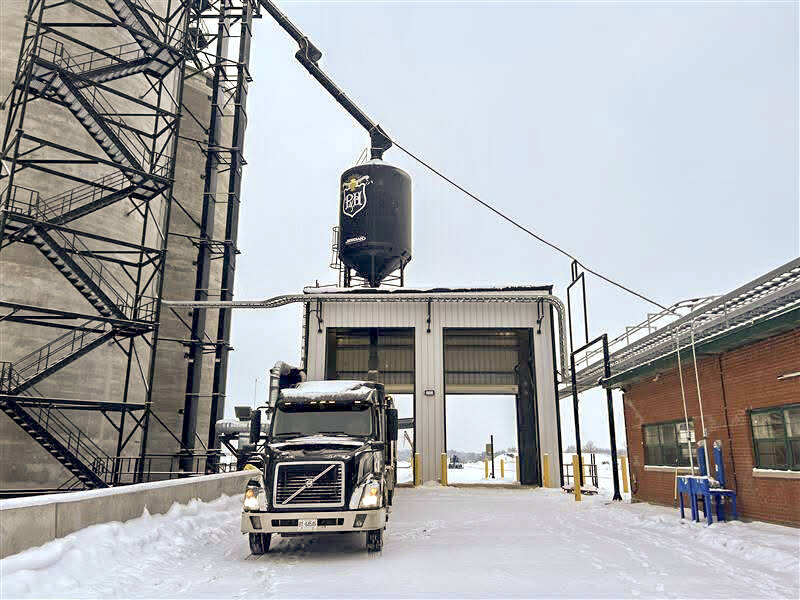
But it didn’t come without challenges. A vocal local group opposed the grain port development, and Grain Farmers of Ontario stepped in to correct misinformation and share the economic benefits and impacts, especially for local farmers.
Harrison attended municipal meetings and did his best to answer questions and build an understanding of why, for example, concrete silos would serve the community better than steel ones. He said the port’s history included shipping apples and tomatoes globally under sail and moving iron ore from the Marmora mines with large ships in the 1980s.
He acknowledges there are still issues to iron out, but the Picton Terminal isn’t the only one facing push-back against port development.
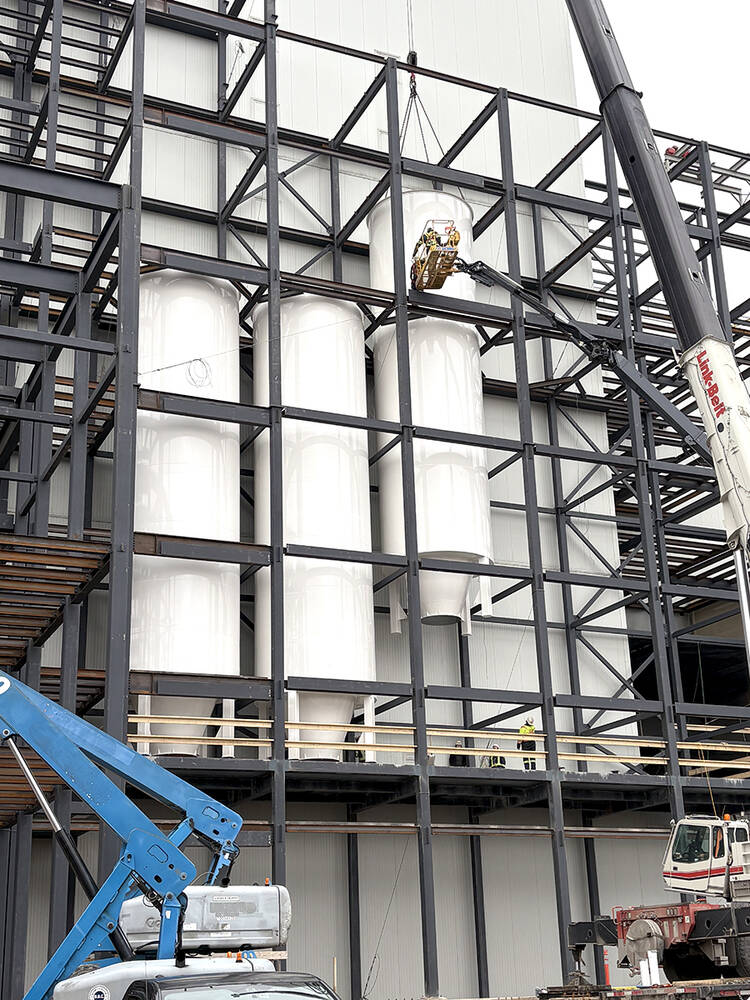
In Sarnia, the Cargill Terminal’s environmental compliance accreditation is under threat due to municipal-level zoning issues arising from the surrounding residential development.
“There’s a chance in Picton to do it right the first time,” he said. “Through the proper zoning protections, so that that terminal can be viable for a long time and the value that’s created through that terminal will hopefully be passed on to the farmer through the market, and it’ll help agriculture be successful in eastern Ontario.”
Occasionally, through good advocacy and telling the positive story of agriculture, farmers get a win, Harrison said. For Eastern Ontario grain farmers, this is one of them.