


Buenos Aires | Argentina — A strike called by Argentina’s largest trade union federation in protest over President Mauricio Macri’s market-friendly economic policies brought the country to a standstill on Monday, freezing grains exports and halting banking and public transit.
The CGT umbrella labour union demanded wage hikes to keep up with inflation rates running at more than 25 per cent annually. The group has slammed Macri’s deal with the International Monetary Fund, arguing that austerity measures linked to the agreement would harm workers.
Organizers said they expected at least one million people to participate in the strike, although there were no reliable estimates of how many took part.
Read Also
Argentina soybean production to be firm in 2026-27
Soybean production in Argentina is expected to nudge up to 49 million tonnes in 2026-27, the United States Department of Agriculture attaché in Buenos Aires forecasted. However, soybean ending stocks are projected to jump by three million tonnes.
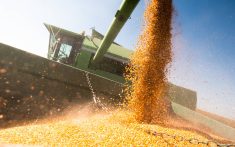
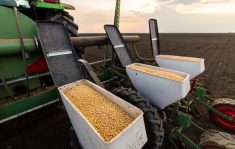
In Rosario, a major agricultural exporting region, shipments of grain and other products were halted by protests by unions representing grains crushers and port workers. Argentina is the world’s top exporter of soybean meal and soybean oil, and the No. 3 shipper of raw soybeans and corn.
“We cannot export anything. Regrettably, we will be stopped for the entire day,” said Guillermo Wade, manager of the Chamber of Port and Maritime Activities.
While financial markets remained open, traders reported low volume on Monday since bank workers are also striking.
The strike comes as the run on the peso currency that prompted Argentina to turn to the IMF in May has begun to subside. The currency was stable last week as Argentina received the first US$15 billion of the $50 billion stand-by financing arrangement with the Washington, D.C.-based lender.
— Reporting for Reuters by Nicolas Misculin; writing by Scott Squires.