


Farmers looking to speed up squash harvest have a new option: Bladerunner from Syngenta.
Introduced in 2024, the variety was bred to address rising labour shortages and costs in squash production, helping growers improve profitability while maintaining a reliable supply of fresh squash.
WHY IT MATTERS: Labour shortages and rising costs are driving demand for crops with shorter harvest times while maintaining freshness and quality.
Rebecca Wente, product specialist at Syngenta, told Farmtario labour savings are still being quantified, but research is providing some early insight.
Read Also
Croptimistic’s SWAT Cam maps one million acres
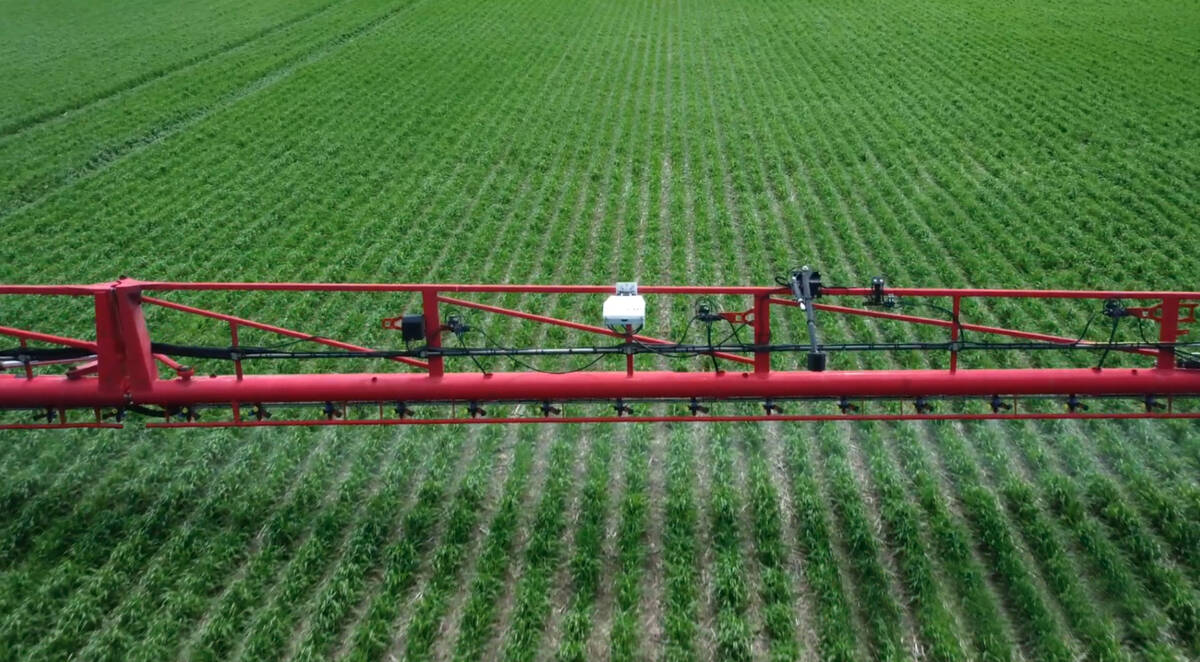
Croptimistic’s sprayer-mounted SWAT Cam system has now generated crop and weed maps across more than one million acres.
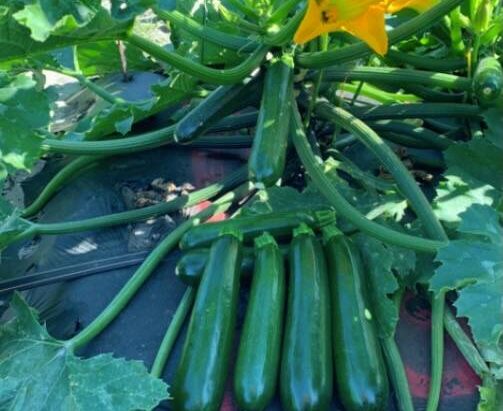
“Because of differences in production environments, we are not able to offer a dollar figure, but in field trials we observed the upright plant and elongated stalks connecting the fruit to the main branch made the picking process more straightforward because the fruit is easier to see and reach,” she said.
The new variety of hybrid, medium-green zucchini is available through Syngenta’s wholesale partners and Canadian seed distributors.
The variety was developed to help growers more easily see the fruit and assess readiness. The plant structure also improves airflow, reducing the risk of disease by creating less favourable conditions for development.
In trials conducted in Italy to reflect real commercial conditions, covering several thousand hectares of open-field green squash, data showed a 15 per cent reduction in harvest costs.
Wente noted the variety was bred to handle pressures specific to Ontario fields.
The disease resistance package includes cucumber mosaic virus, watermelon mosaic virus, zucchini yellow mosaic virus, powdery mildew and papaya ringspot virus.
“It is possible for all these pathogens to affect crops in Canada, although some are more prevalent than others,” she said.
In Syngenta’s trials, the plant’s architecture and habit, measuring how open and upright the plant is, performed significantly better than other trial participants, contributing to easier harvesting.
She added Syngenta has not made recommendations for production changes such as spacing, irrigation or equipment, noting these decisions depend on individual operations.
“We anticipate any operation type can see a benefit from this variety’s open and upright plant structure, including large commercial growers and backyard gardeners,” she said.