
It’s sometimes tempting to view innovation stories from other countries as interesting, but distant.
WHY IT MATTERS: While the technologies and settings vary widely, farmers globally are grappling with remarkably similar challenges, and innovation is a shared language for solving them.
Different climates, different regulations, different farm sizes, different pressures — what could a Norwegian livestock producer, a Kenyan smallholder, or an ag-tech startup halfway around the world really have in common with Ontario farmers?
Read Also
Farm policy organizations worldwide consider their shared issues
Farmer organizations from several countries, Canada included, agree there is common ground among them, even as geopolitical tensions and economic uncertainties swirl.
Quite a lot, it turns out.
At first glance, the contrasts are obvious. Farm size and scale vary dramatically. Climate ranges from Nordic cold to tropical Kenyan heat.
Cropping systems, livestock species, regulatory environments, and access to capital can look nothing alike.
But scratch beneath the surface and the same pressures appear again and again.
Farmers everywhere are trying to produce more efficiently with fewer inputs; manage rising costs and tighter margins; adapt to climate variability and environmental expectations; protect soil, water, and animal health; reduce labour demands; and access timely, practical knowledge that will let them do all those things.
Technology
One of the strongest themes running through global innovation stories this year has been that successful ideas start with real-world problems, and not technology for technology’s sake.
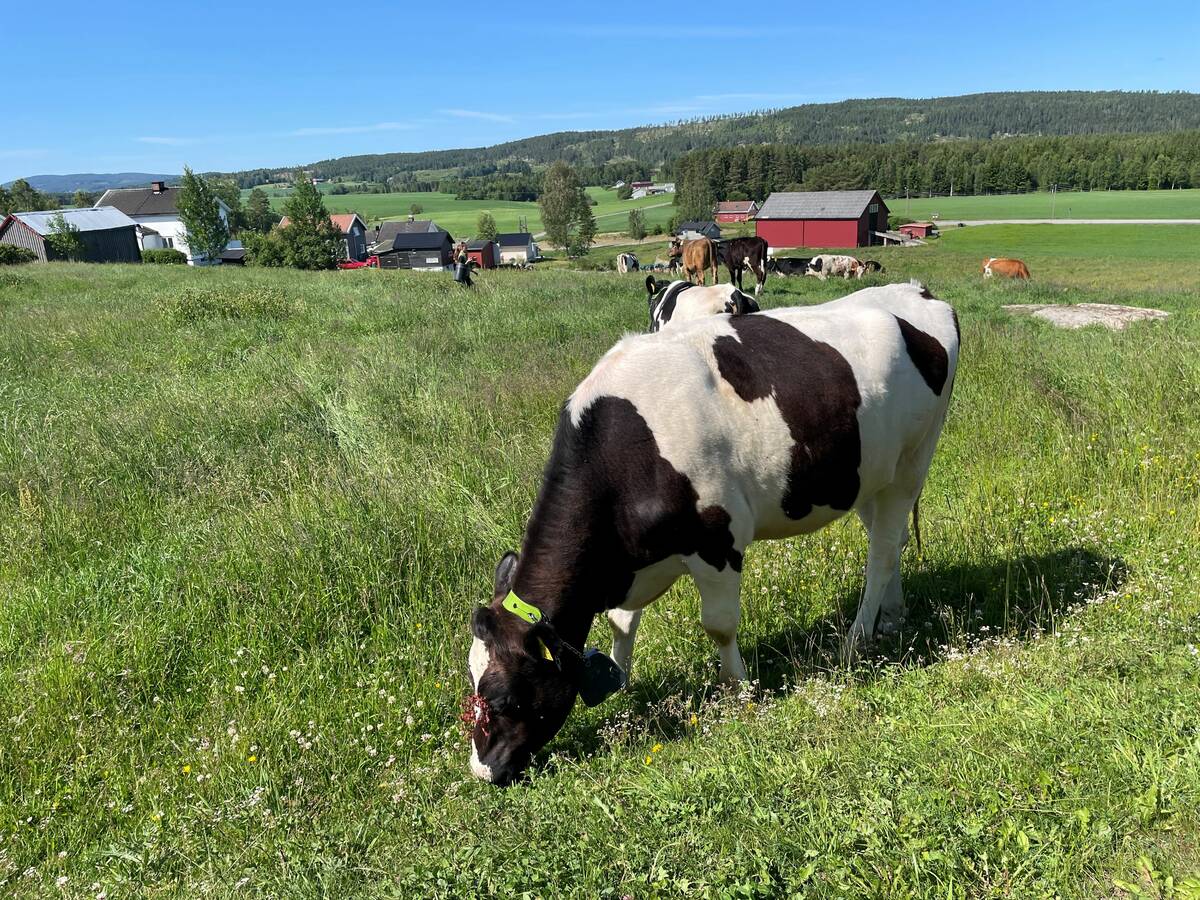
Virtual fencing, for example, isn’t about GPS collars and apps. It’s about grazing land that’s difficult, expensive, or impractical to fence.
In Norway and Canada alike, farmers are using it to better manage animals, protect sensitive landscapes, and reduce labour while improving pasture use.
Similarly, insect-based feed systems aren’t driven by novelty. They’re responding to feed cost volatility, protein shortages, and sustainability concerns.
By turning organic waste into high-quality feed, farmers and innovators are addressing multiple pressures at once: cost, supply security, and environmental footprint.
Even the simplest innovations tell the same story. A low-cost sensor that helps farmers keep equipment level while working fields, or a biological input that supports gut or soil health exists because someone saw a small but persistent inefficiency — and solved it.
The lesson for Canada’s agri-food innovation scene is clear: Innovation gains traction when it fits seamlessly into existing farm systems and solves problem farmers already feel every day.
Innovation and sustainability
Another common thread is how sustainability shows up not as a buzzword, but as a practical consideration woven into on-farm decision-making.
Across borders, farmers are showing that sustainability and profitability aren’t opposing goals.
Increasingly, they’re two sides of the same coin.
Livestock genetics programs in countries such as Norway focus on efficiency, animal health, and reduced environmental impact, recognizing that long-term productivity depends on animals that perform well under real-world conditions.
Biological crop protection and beneficial insects offer growers alternatives that reduce reliance on chemical inputs while still delivering results in the field.
Soil health tools that improve carbon capture or nutrient cycling are being adopted not just for environmental reasons, but because healthier soil is more productive, more resilient, and better able to handle extreme weather.
Perhaps the most unifying theme, whether here at home or around the world, is the importance of access — to information, to tools, and to support networks.
Innovation doesn’t always have to be expensive or complex to be transformative. Instead, what matters is that it reaches farmers in a usable form, respects local context, and delivers value quickly.
As we reflect on a year of global innovation stories, one message stands out: while farms may look different around the world, farmers themselves are remarkably alike.
They are practical problem-solvers who value tools that work. They balance tradition with change and care deeply about the land, their livestock, and the future of their farms. And they are constantly adapting, often with creativity and resilience that goes unnoticed outside the farm gate.
Innovation, in this sense, isn’t just about technology. It’s about shared challenges, shared thinking, and shared determination to keep farming viable for the next generation.
These stories remind us that Ontario farmers are part of a much larger global community, one that, despite its differences, is united by common goals and a common drive to find better ways forward.