



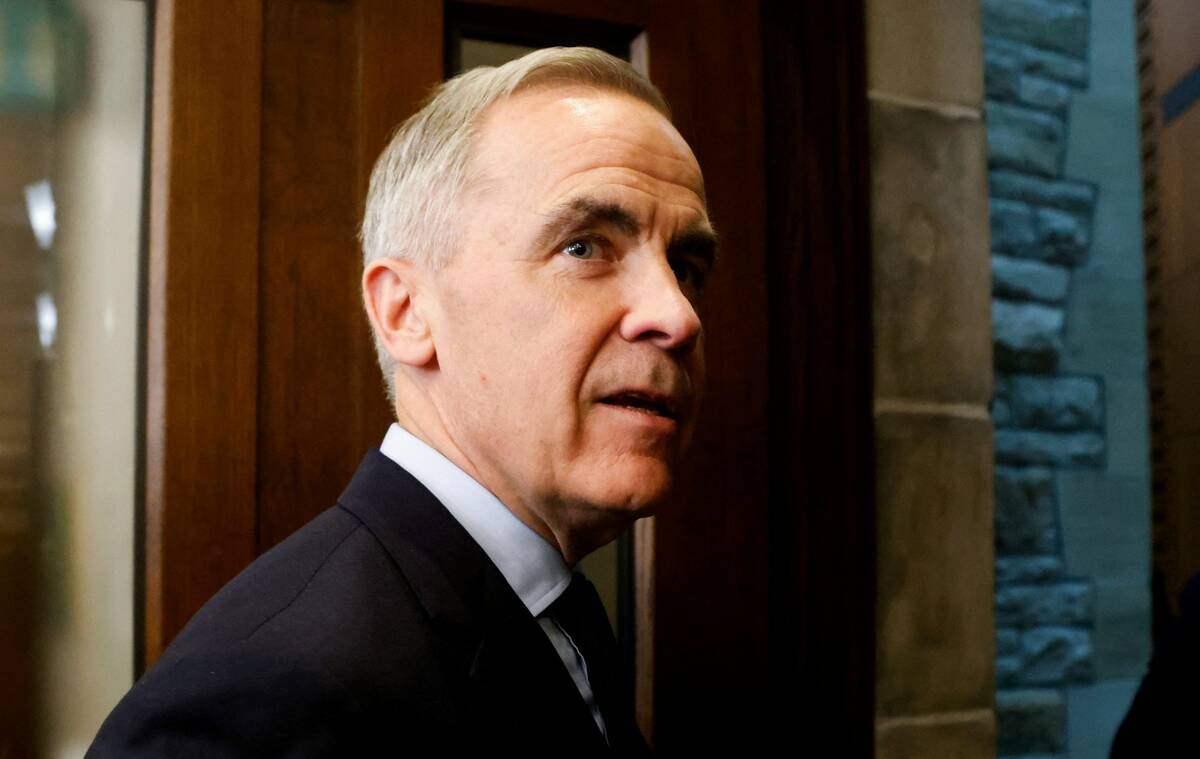
UPDATED — Canada will suspend the federal fuel excise tax on gasoline and diesel from April 20 to September 7 to help consumers and businesses deal with rising prices, Prime Minister Mark Carney told reporters on Tuesday.
“(This) is a responsible measure that will reduce operating costs for truckers and businesses in the food, agriculture, housing, construction, and delivery sectors,” he said.
In a news release, the federal government said it intends to introduce amendments to the Excise Tax Act that would temporarily suspend the application of federal fuel excise taxes on gas, diesel and aviation fuel.
Read Also

PMRA renamed as Pesticides Regulatory Directorate
Pest Management Regulatory Agency has been renamed the Pesticides Regulatory Directorate. Implications of the change are unclear.
The excise taxes are currently set to 10 cents per litre on gas and four cents a litre on diesel fuel and aviation fuel. Once the suspension expires, the excises taxes will return to those amounts.
The federal government estimated that the tax suspension would provide more than $2.4 billion in total tax relief.
Truckers pleased
The Canadian Truck Operators Association welcomed the announcement. In a statement, the association said it had raised concerns in late March when diesel prices exceeded $2.39 per litre in parts of the greater Toronto area.
“For many small carriers and owner-operators, every cent matters. This measure will provide meaningful short-term relief and signals that government recognizes the challenges facing an essential industry,” said association spokesperson Tej Dulat.
The effectiveness of the measure will depend on how efficiently fuel costs reductions are reflected across the supply chain, the association said. It will be important that fuel costs reductions are clearly reflected at the pump.
Provinces may consider similar short-term measures, Dulat added.
-With files from Reuters