

Beijing | Reuters — China, the world’s top producer of rice and wheat, is seeking to cap its use of chemical fertilizers and pesticides that have helped to contaminate large swathes of its arable land and threaten its ability to keep up with domestic food demand.
More than 19 per cent of soil samples taken from Chinese farmland have been found to contain excessive levels of heavy metals or chemical waste. In central Hunan province, more than three-quarters of rice fields have been contaminated, government research has shown.
Read Also
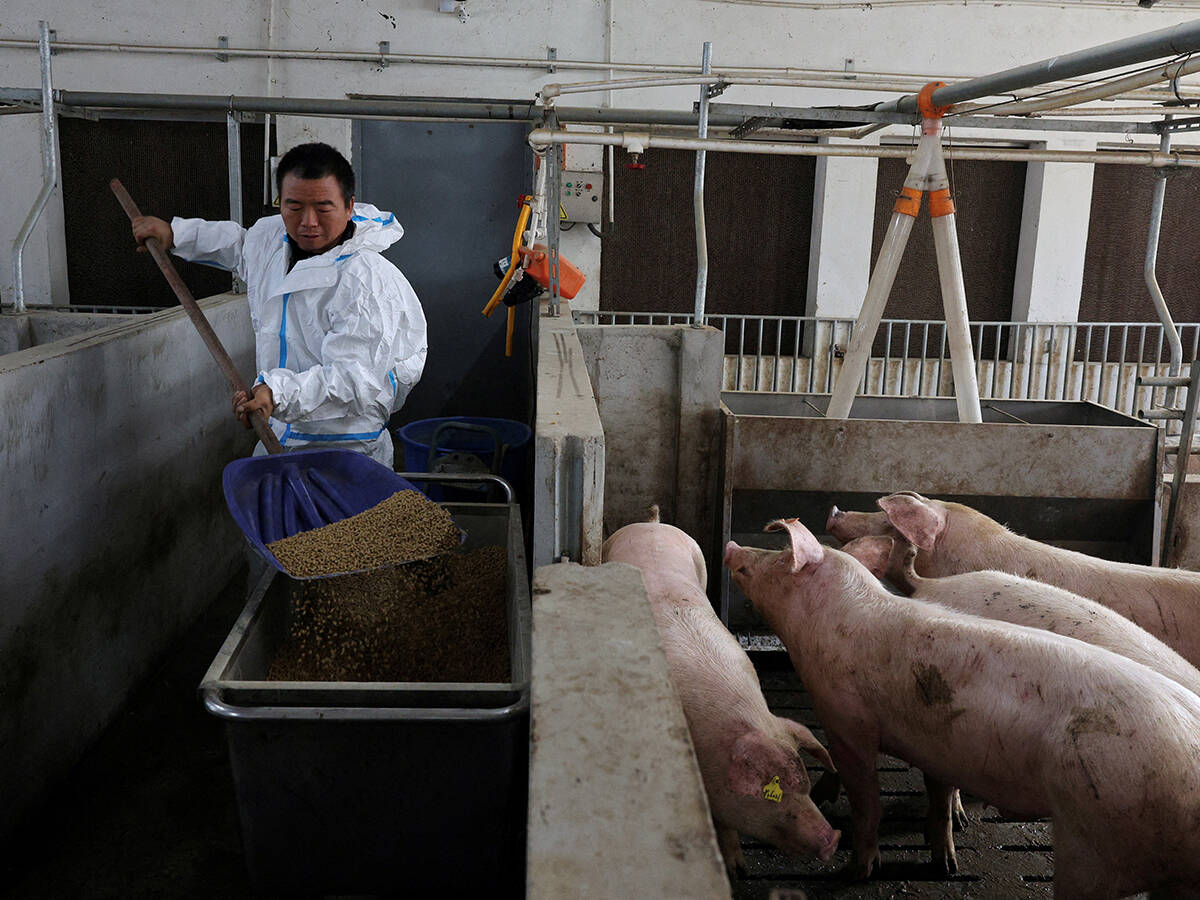
China’s Q1 pork output up 4.2 per cent from a year earlier, lags expectations
China’s pork production rose 4.2 per cent in the first quarter of 2026 from a year earlier as hog producers accelerated slaughtering to address a supply glut.
China is the world’s top consumer of pesticides but almost two thirds of pesticides are wasted, contaminating both land and water, an environment official said last year.
“We need to be determined to control the use of fertiliser and pesticides,” said chief economist at the agriculture ministry Bi Meijia.
Zhejiang province in eastern China plans to cut the use of nitrogen fertiliser by eight per cent in the next three years, Bi said, and the whole country could cap the growth in use of fertilizer and pesticides by 2020.
Still, China is aiming to remain self-sufficient in its staple crops, even as it moves to control pesticide and fertilizer use, Bi and another agricultural official said.
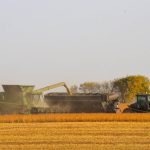
China recorded a bumper grains harvest in 2014, with output up about one per cent to 607.1 million tonnes, official data showed, the 11th consecutive year of rising production.
No production figures were given for individual crops, and no estimates for output in the coming year were available.
China’s grains production is closely watched by global markets as any decline in output could boost demand for imports by the rapidly urbanizing country.
China will look to import any products in short supply on the domestic market but inbound shipments are not expected to increase substantially, Bi said.
— Dominique Patton is an agriculture and soft commodities correspondent for Reuters in Beijing.