


CNS Canada — Chicago Board of Trade corn and soybean futures are entering a period that is typically driven by weather concerns and little else.
The U.S. Department of Agriculture on Tuesday released its world agricultural supply and demand estimates (WASDE) report. Both corn and soybeans improved in price after the report predicted lower-than-expected stocks and strong demand for both commodities.
Corn’s most-active December contract rose 21.5 cents during the week ended Wednesday (all figures US$). The dominant contract in soybeans, November, gained 32 cents over that same period.
Read Also
Despite cheaper land costs, Canadian farmers at slight revenue disadvantage to U.S.
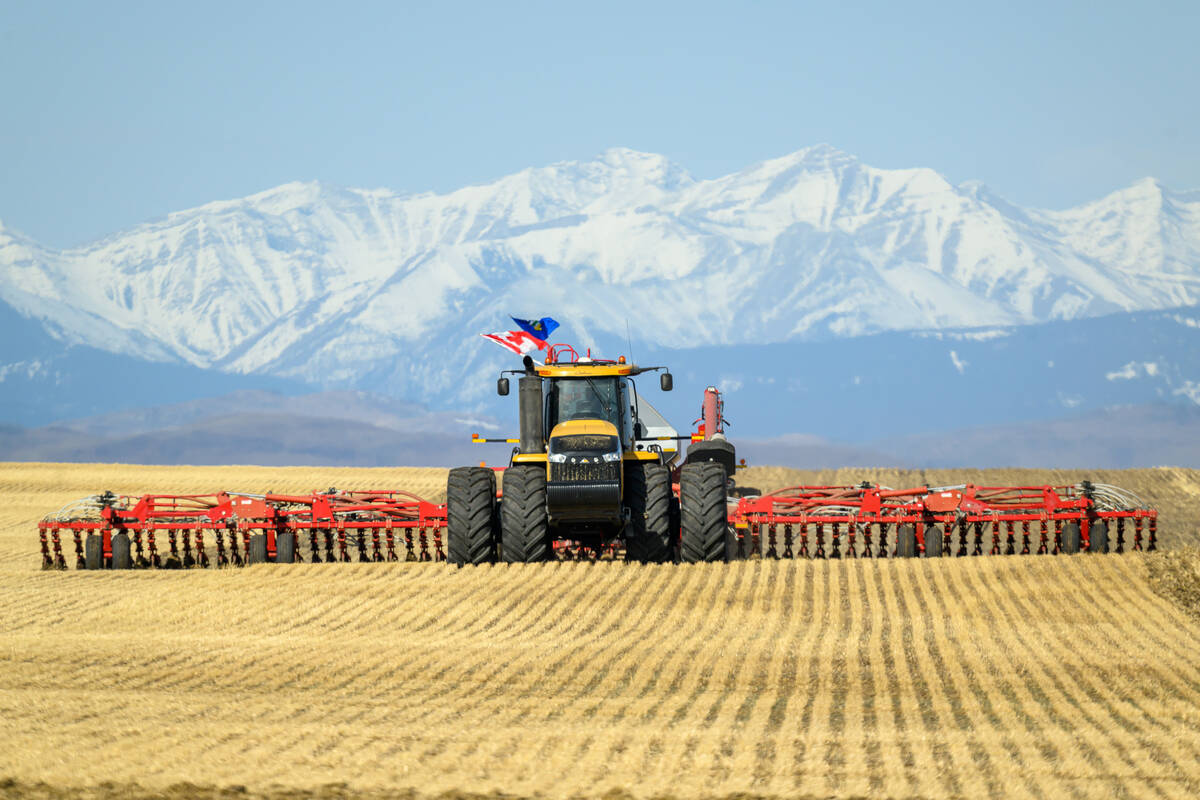
American farmland prices are consitently higher than Canadian values. However, American farmers see a slight advantage based on revenue per acre dedicated to land payments.
With the report out of the way, the focus now shifts to the weather, according to Richard Feltes, vice-president of research at R.J. O’Brien in Chicago.
“The maps have gotten warmer here,” he said. “These 100s (degrees Fahrenheit) will be out in the Plains for several days; until then there’s 65 per cent precipitation coverage across the Midwest.”
Feltes expects crop ratings to be down slightly on Monday (July 18), then to take a more substantial hit the week after that (July 25).
“We’re probably going to close the gap with November soybeans into the $11.34 per bushel areas,” he said. “So, a 25-cent rally in beans, and likely another dime or so in the corn.”
The situation down in Brazil also bears watching, as the basis there continues to climb.
“It’s a sign they’re getting tight” for supplies, said Feltes.
The U.S. will soon be the main supplier of soybeans as the season shifts away from South America, he said, so the supply situation will have to be monitored carefully.
“We’re going to have to limit crop adversity or take prices higher to ration demand.”
— Dave Sims writes for Commodity News Service Canada, a Winnipeg company specializing in grain and commodity market reporting.