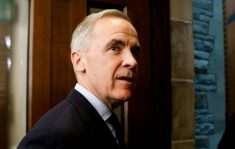



Ottawa | Reuters — Prime Minister Mark Carney on Thursday said he expected to meet senior Chinese leaders soon but sidestepped a question about dropping tariffs on Chinese electric vehicles in exchange for relief from Beijing’s duties on canola.
Carney, who discussed trade issues with Chinese Premier Li Qiang last month, said Canada was restarting what he called a broad engagement with Beijing. Bilateral ties over the past few years have been poor.
Read Also
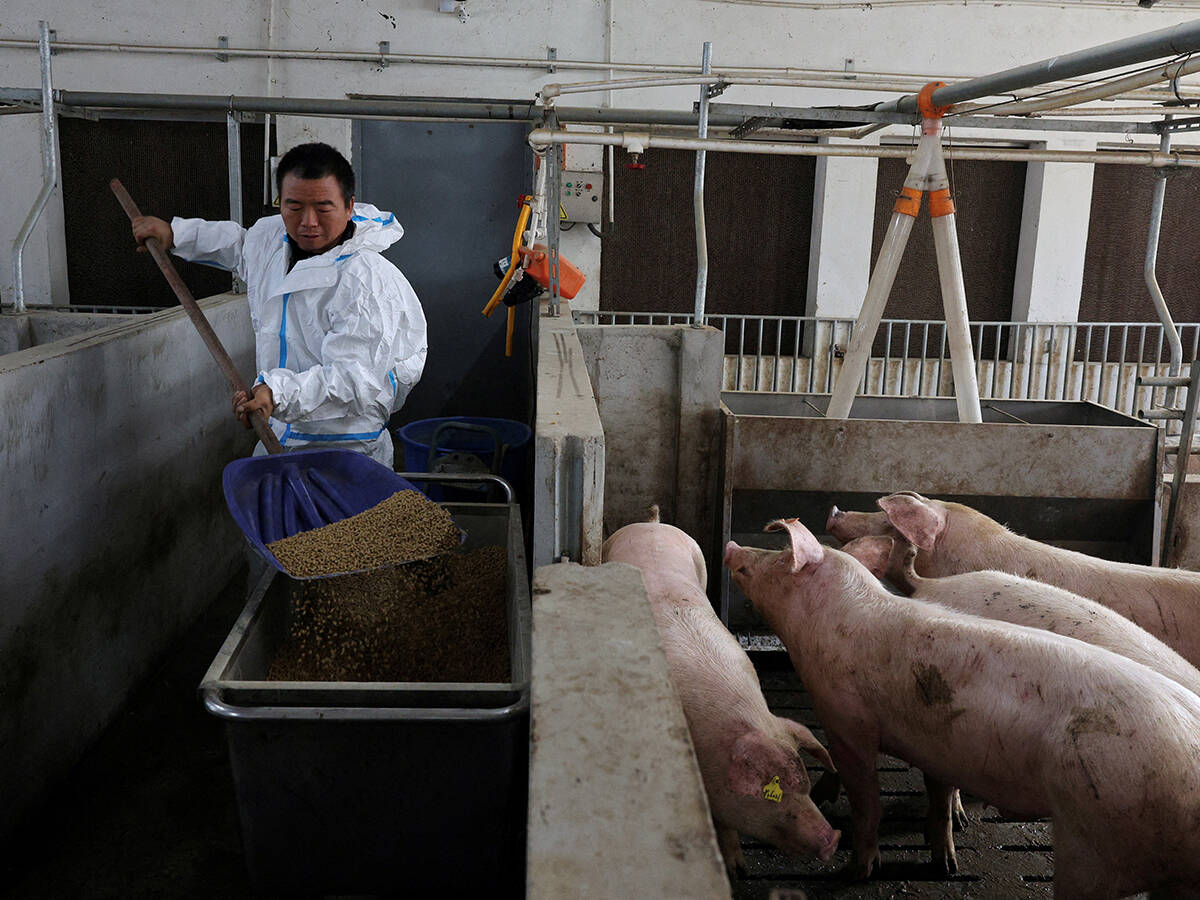
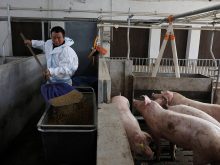
China’s Q1 pork output up 4.2 per cent from a year earlier, lags expectations
China’s pork production rose 4.2 per cent in the first quarter of 2026 from a year earlier as hog producers accelerated slaughtering to address a supply glut.
Why it matters: China has imposed tariffs on Canadian canola, peas and pork in apparent retaliation against Canadian EV tariffs.
Canadian officials say Carney could hold a first meeting with Chinese President Xi Jinping during a trip to two Asian summits later this month.
“I expect to meet the senior Chinese leadership in the coming month or so and we’ll continue those discussions, and we’ll see where the trade relationship evolves,” Carney told a televised press conference.
China announced preliminary anti-dumping duties on Canadian canola imports in August, a year after Canada said it would slap a 100 per cent tariff on imports of Chinese electric vehicles.
China’s ambassador to Canada said over the weekend that if Ottawa lifted the measures against vehicles, Beijing would drop the duties on canola.
Carney, asked whether such a deal might happen, said the two nations were talking about “a much broader range of issues than single sectors and single trades”.
He added: “It’s naive to take a relationship that is broader, and can broaden, and to boil it down to two things … There are a deeper set of conversations that are going on, so it’s not that simple.”
Canada, he said, would also have to take into account how the United States, which is locked in a trade war with Beijing, might react to any move Ottawa made on auto tariffs.
— Reporting by David Ljunggren and Promit Mukherjee