

Chicago | Reuters – Global grains merchant Bunge Ltd reported a surprise quarterly loss on Wednesday as its agribusiness unit took a $125 million hit from soybean hedges tied to the trade dispute between the United States and China.
Shares of the White Plains, New York-based company fell 2.9 percent in early trading to $67.10 a share.
The result was in stark contrast to agricultural commodities trading rivals Archer Daniels Midland Co and Cargill Inc , which reported strong profits in their most recent quarters.
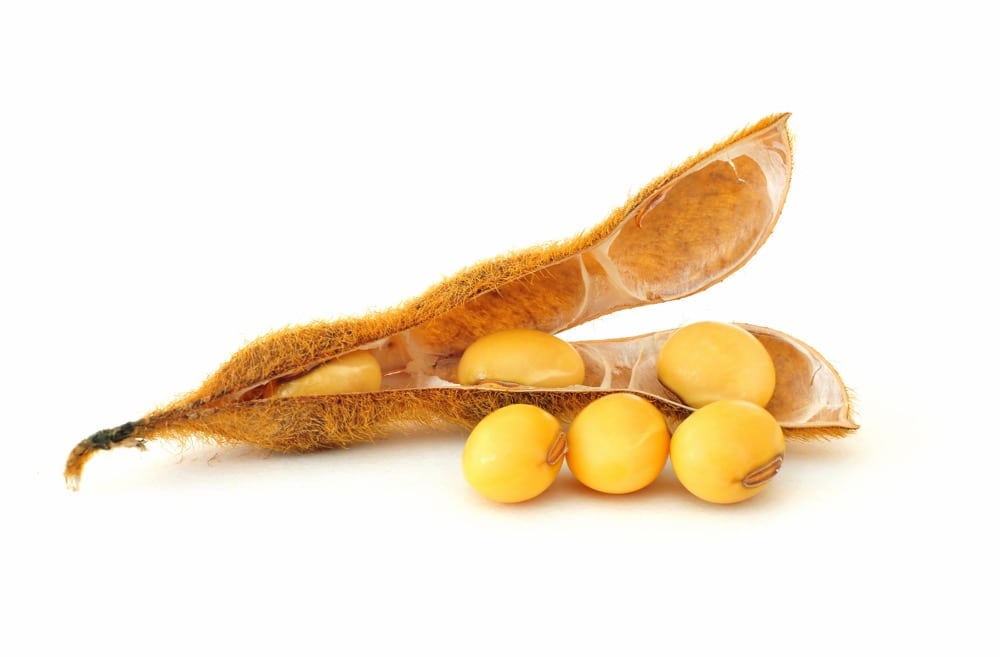
Bunge largely blamed a bet that soybean prices would rise as U.S.-China trade tensions eased during the period. However, the trade war escalated and soybeans fell sharply.
Read Also
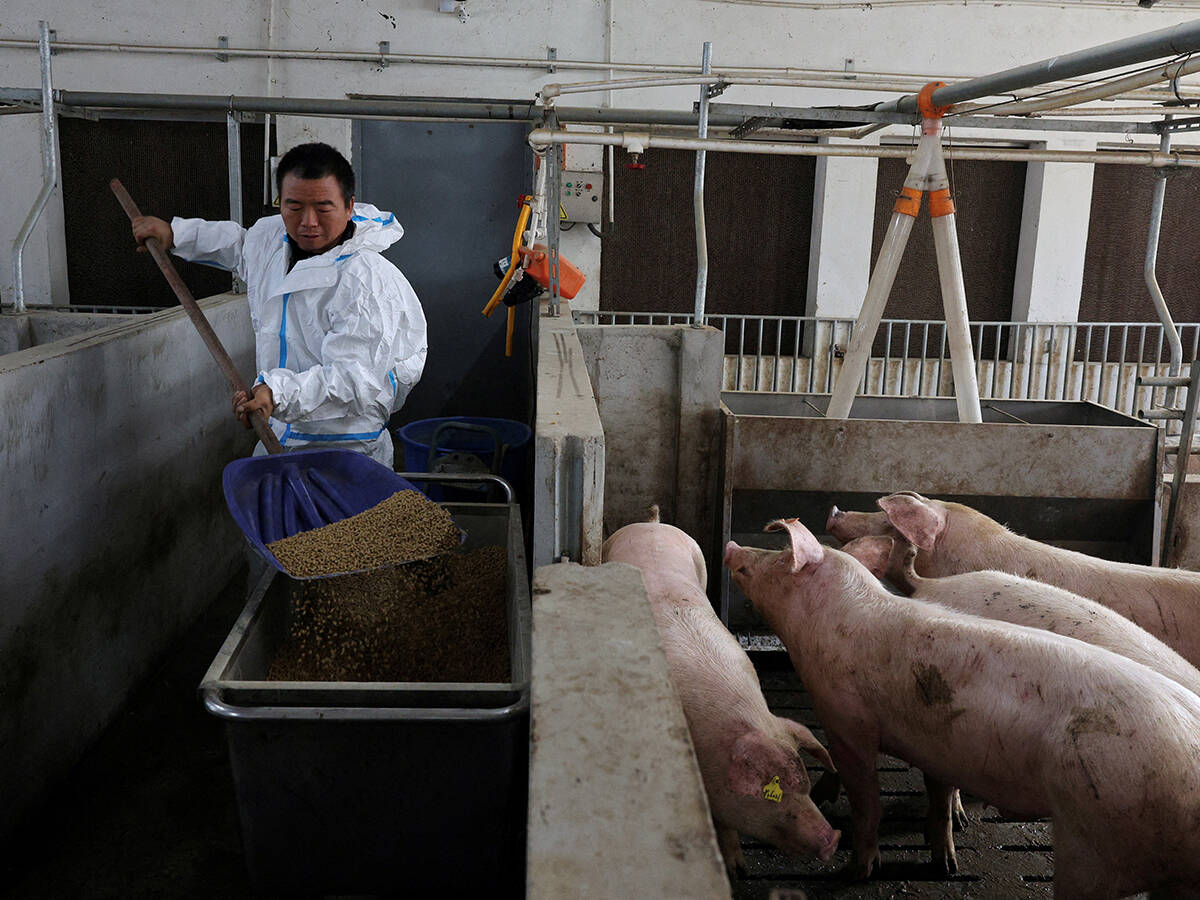
China’s Q1 pork output up 4.2 per cent from a year earlier, lags expectations
China’s pork production rose 4.2 per cent in the first quarter of 2026 from a year earlier as hog producers accelerated slaughtering to address a supply glut.
Bunge also reported a $24 million hit in the April-to-June quarter from currency hedges in Brazil, the world’s top soybean exporter, but said it expected to recover the losses in the second half of the year.
The loss was particularly surprising because large international grain traders had been expected to benefit from market volatility and shifts in global grain flows resulting from a deepening trade war between the world’s two largest economies.
“It was not what you would have expected given this is a peak quarter in South America,” CEO Soren Schroder said.
The company bought large volumes of Brazilian soybeans in the quarter and took on long positions in soybean futures to protect crush margins in the event that China’s threatened tariffs on U.S. soybeans would not be implemented, Schroder said.
“We thought that (resolution) would have been very bullish, positive to futures, which, in turn, would have put pressure on the basis long that we had accumulated in Brazil,” he said. “As it turned out, the trade talks have not resulted in any resolution and futures subsequently drifted lower, which led to a loss.”
The loss was partially offset as Bunge’s agribusiness segment sold 3.4 percent more grains and other commodities, in the second quarter ended June 30, and gross profit from the unit more than doubled to $354 million.
Bunge, which was subject of a failed takeover approach by rival ADM, said net loss available to shareholders was $21 million, or 15 cents per share, in the second quarter ended June 30, compared with a profit $72 million, or 51 cents per share, a year earlier.
Bunge said net sales rose to $12.15 billion from $11.65 billion.
– Additional reporting by Anirban Paul in Bengaluru.