


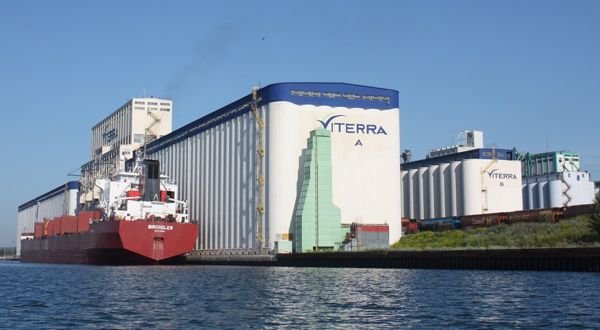
MarketsFarm — Shipping activity through the Port of Thunder Bay remained strong during November, with just over a million tonnes of grain moving through the facility on the northern shore of Lake Superior.
Increased demand for Canadian grain in Europe, the Middle East and Africa has led the port to a 20-year high for cargo tonnage, the port said in a release.
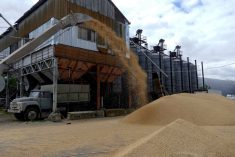
The total of 1.033 million tonnes of grain moved through Thunder Bay in November was up by about 100,000 tonnes compared to the same month the previous year. Year-to-date grain exports of 7.951 million tonnes are up 21 per cent on the year.
Read Also

ICE Weekly: More to canola price gains than Middle East war
The Middle East war is not the only thing affecting canola futures on the Intercontinental Exchange, said Tony Tryhuk, director of futures trading for RBC Dominion Securities in Winnipeg.
Total cargo movement, which includes coal, potash and other bulk goods, came in at 8.751 million tonnes through November. That’s up 11 per cent on the year, with the increases in grain movement countered somewhat by declines in coal and potash.
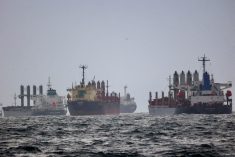
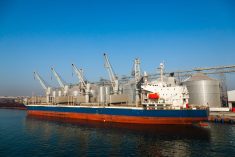
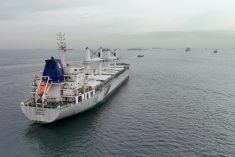
Thunder Bay was visited by 32 domestic lakers, one U.S. laker, and 20 foreign saltie vessels in November. Lakers ship to ports within the Great Lakes-Seaway System, while salties carry cargo directly overseas. Most laker-shipped grain is transloaded in the St. Lawrence River to salties for export.
With a strong December vessel lineup, the port projects final overall cargo volumes of 10 million tonnes for the first time since 1997. That tally would represent a 14 per cent increase over the port’s five-year average.