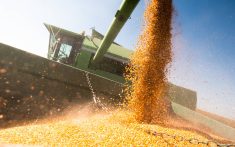


Buenos Aires | Reuters — Argentina has lifted a suspension on corn exports announced in December and will opt instead for a temporary 30,000-tonne daily cap on sales abroad, its agriculture ministry said on Monday, backing off the more restrictive measure that had infuriated farmers in the South American grains powerhouse.
The world’s No. 3 supplier of corn announced on Dec. 30 a two-month halt in corn exports in a bid to control domestic food prices amid a long recession and the COVID-19 pandemic.
The agriculture ministry said in a statement in the early hours of Monday that it had struck agreements to guarantee the domestic supply of corn and cushion local prices against fluctuations in international markets, allowing it to end the full ban.
Read Also
AAFC projects tighter canola stocks for 2026-27
Canadian canola carryout supplies at the end of the upcoming 2026-27 marketing year will be tighter than earlier projections, according to updated supply and demand estimates from Agriculture and Agri-Food Canada, released April 17.
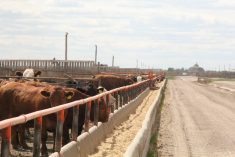
The cattle and poultry industry in Argentina uses corn to fatten chickens and cattle. The government had initially hoped that by keeping more corn in the country, the cost of feeding livestock would fall, increasing domestic food supplies.
But farmers railed against the suspension last week and launched a strike, saying the full ban put downward pressure on production and forced them to temper investments.
Argentina’s soy, corn, wheat and sunflower seed associations said such intervention in export markets eroded confidence and would lead to an immediate withdrawal of investments.
— Maximilian Heath is a Reuters correspondent in Buenos Aires; writing by Dave Sherwood.